The skeptic inherits the Fed.
Kevin Warsh, Jackson Hole, and the lonely work of saying no.
By Vedanth Ramanathan ·
Written after the September 16 rate decision.
Central-bank independence sounds abstract until it runs into a president. This one wanted cheaper money, and the Federal Reserve raised rates instead. Kevin Warsh came to the Eccles Building as an outspoken critic of how it works, and by September he had led a unanimous rate hike. The story of how he got there runs through Jackson Hole.
01 / The paradox
The White House made no secret of wanting rate cuts. The Federal Open Market Committee raised rates by a quarter point anyway, to a target range of 3.75–4.00%. All twelve voting members backed the committee’s statement, which cited stubborn price pressures, persistent consumer demand, and a resilient economy.
Warsh’s appointment was always going to be awkward. He has a long record as a hawk, yet he was chosen by an administration openly hostile to tight money. The financial press has picked over that contradiction at length. The tension showed how the Fed’s statutory independence works in practice. Congress lets the central bank set the price of money without immediate political punishment, and September put that to the test.
02 / The turning point
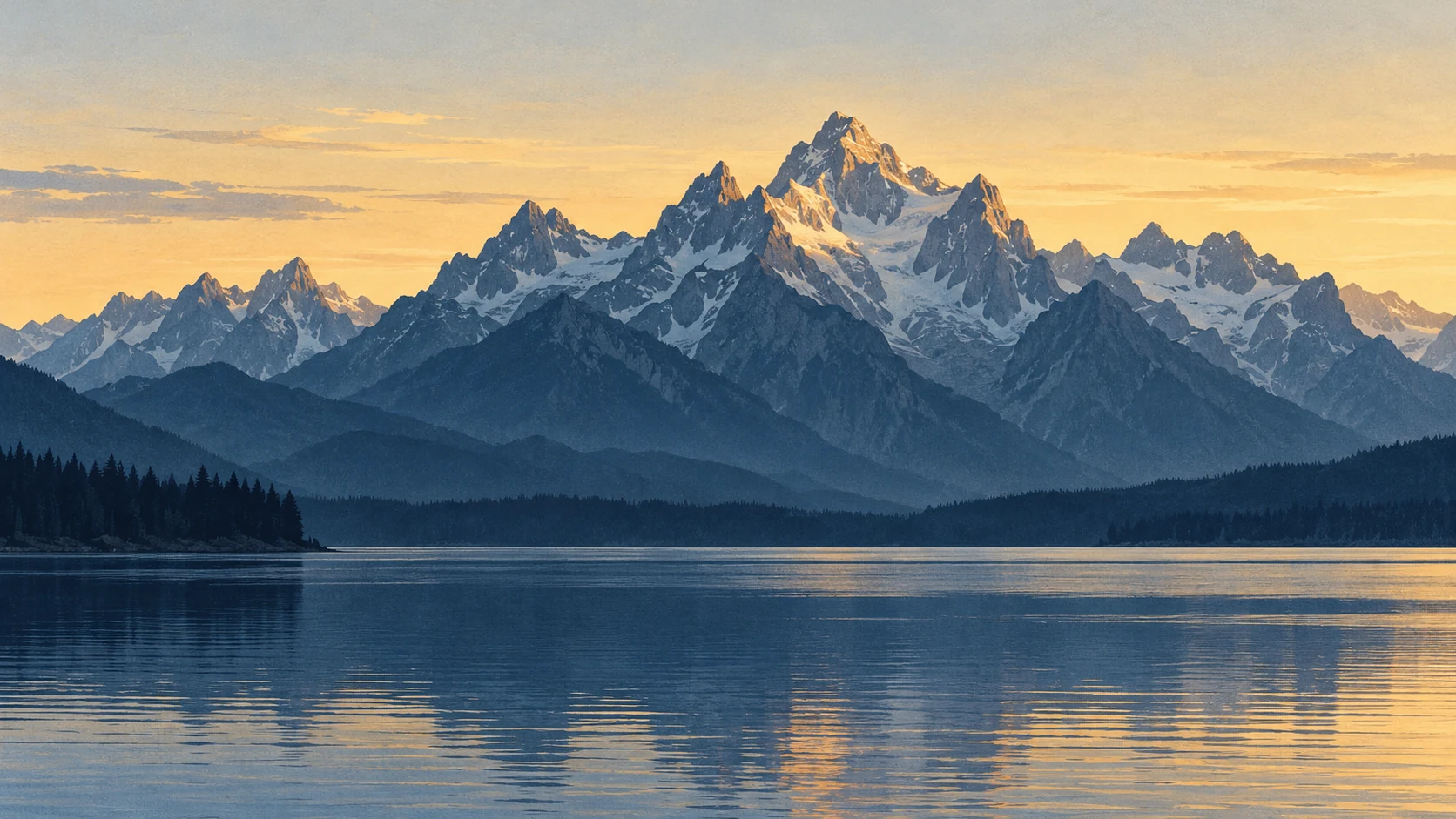
Most of central banking happens out of sight, but each August it shows up in one place, beneath the Grand Tetons. Outside Jackson Lake Lodge, the mountains look like they’ll never move. Inside, one dependent clause from the lectern can reprice government debt before the morning is over.
In his keynote address, Warsh described an economy with little room left. The labor market couldn’t get much tighter, and core inflation still wouldn’t drop below 2 percent. A brief cooling in prices over the summer didn’t reassure him. His warning was plain: if the underlying trend didn’t move toward the target soon, the committee would act.
The bigger part of the speech was an attack on forward guidance. For a decade the Fed had told Wall Street where rates were headed, which in effect insured risk assets against surprises. Warsh’s objection was that the whole practice is circular. Once the Fed signals a move, markets price it in right away. If policymakers then read asset prices for clues about the economy, they’re studying their own reflection.
Dropping that signaling puts the pressure back on the Fed. Without guidance to cushion them, rate moves hit the financial system’s plumbing at full force, so the Fed has to explain each decision clearly afterward. That is what independence costs: if the Fed won’t tell markets what it will do next, it has to explain exactly what it just did.
03 / When words acquire a price
Markets moved on the speech within hours. By the close of trading, fed funds futures put the odds of a September hike at 57%, up from 35%, according to CME data tracked by the Financial Times. Not everyone was persuaded, though. The day before the decision, the FT ran a sharply worded editorial telling Warsh to follow through on his threat. The unanimous vote showed that he meant it.
The political reaction surprised people. Instead of attacking Warsh on social media, the White House presented a united front. The groundwork had been laid privately: the president was briefed by phone before the hike and ultimately signed off on the committee’s decision. He had wanted cheap money and went along with the institution anyway. The administration lost this round, but it wasn’t caught off guard.
04 / What to watch next
At Jackson Hole, Warsh also turned to artificial intelligence, and that may matter longer than the hike. He picked out AI as a driver of aggregate supply and labor productivity, which is a bet on something beyond the current inflation fight. Once those efficiency gains make it into the standard models of capital formation, they will change what economists think the natural rate of interest is.
In the midnight boardroom scene of Margin Call, Jeremy Irons’s character says his only edge is an ear for the music: he can tell when it’s about to stop. A Fed chair sets that tempo more than anyone. By ending forward guidance, Warsh’s Fed has stopped playing from a published score. Markets will have to listen for the music as it happens, starting in the mountains of Jackson Hole.
Sources
- How Warsh Raised Rates Without Drawing Trump’s Ire · The Wall Street Journal
- In Our Time · Federal Reserve
- Hawkish Kevin Warsh hints Fed will raise rates if US inflation does not fall soon · Financial Times · via The Irish Times
- September 2026 FOMC statement · Federal Reserve
- Kevin Warsh needs to walk the walk · Financial Times
- What does it mean that the Federal Reserve is “independent within the government”? · Federal Reserve
- Jackson Hole Economic Policy Symposium, August 27–29, 2026 · Federal Reserve Bank of Kansas City
- Margin Call — The Music Stops · Margin Call (2011) · J. C. Chandor